Source Dishwasher Sheet Metal Components for Hotel, Household, and Plumbing
Find 30 dishwasher sheet metal components suitable for hotel, household, and plumbing applications. Compare options made from PP, brass, and aluminum with manual power sources and various warranty periods to identify the right parts for your project; compare the available evidence and request quotations based on your requirements.
Key considerations
Products List
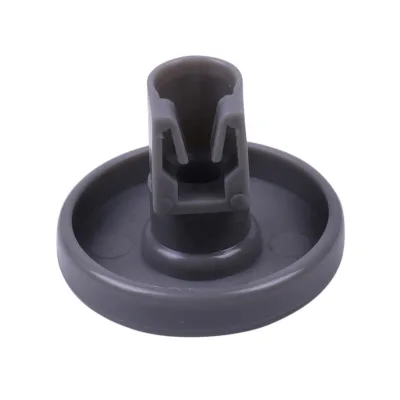
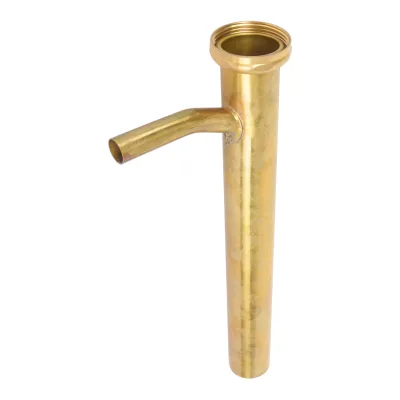

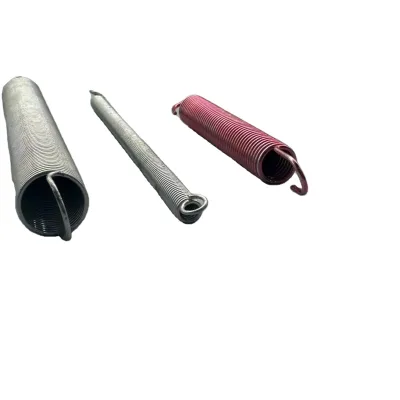


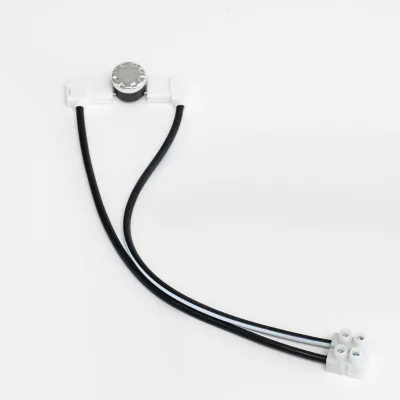
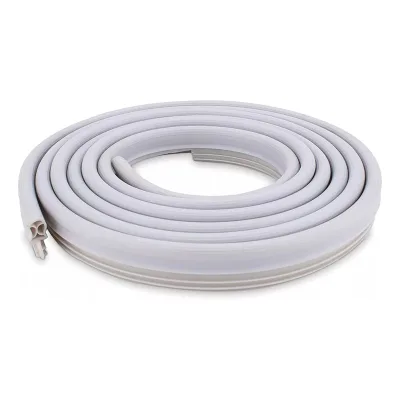
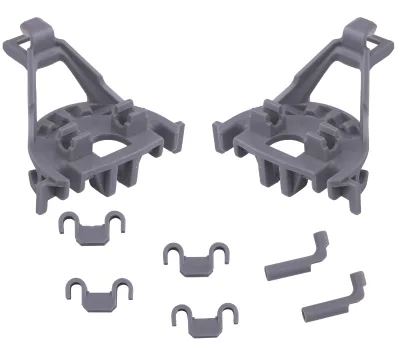
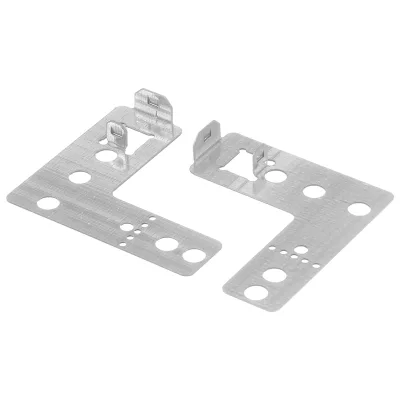
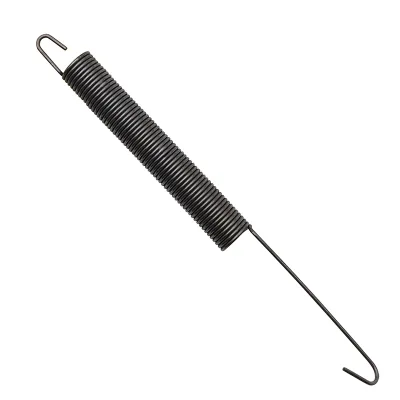
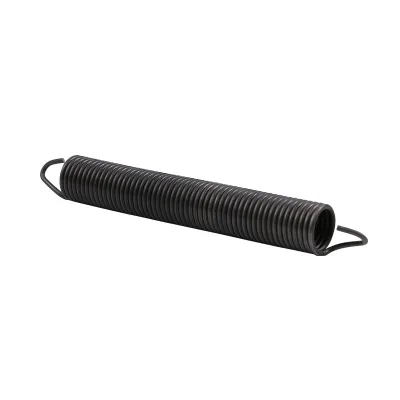


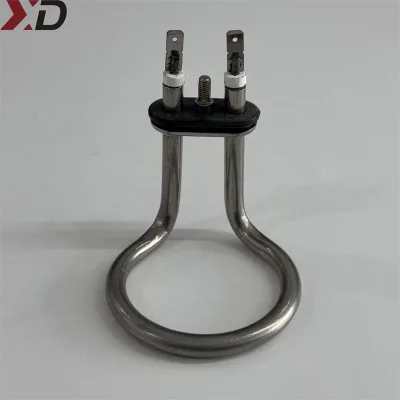


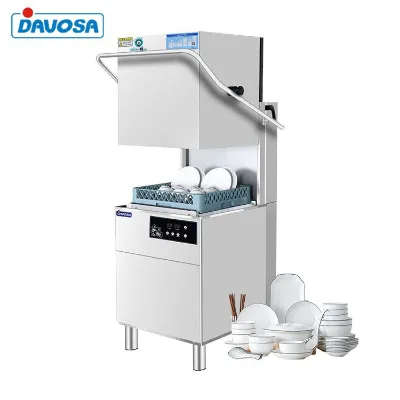
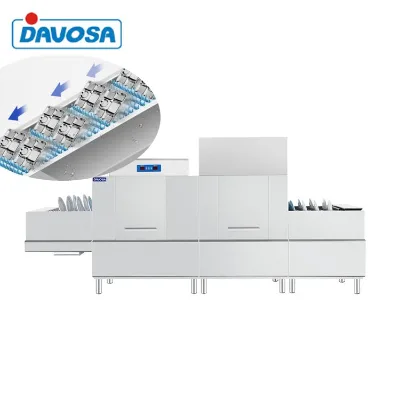


$1.00 - $88.00
Moq: 500
Comprehensive Sourcing Guide
Dishwasher Sheet Metal Components Sourcing Guide
Sourcing dishwasher sheet metal components requires a disciplined approach to material selection and manufacturing precision. Buyers must distinguish between structural chassis parts and functional internal mechanisms, as the latter often involve specialized alloys like brass or aluminum for durability and corrosion resistance. The observed market data indicates a wide variance in product types, ranging from simple PP plastic housings to high-tolerance CNC-machined brass fittings. This diversity necessitates a clear definition of the specific component needed, whether it is a standard steel plate for the outer casing or a custom-machined part for the water distribution system.
Procurement teams should also evaluate the supplier’s capability to handle both standard and customized orders. Many manufacturers offer OEM services with flexible packaging and design options, which is crucial for brands seeking unique aesthetic or functional integrations. However, the presence of mixed material claims in listings, such as PP, brass, and aluminum plate, suggests that buyers must verify the exact composition of the delivered goods. Relying on generic descriptions can lead to mismatches in performance, particularly when components are exposed to high heat and constant water exposure in a dishwasher environment.
Product Scope and Observed Listing Signals
The current market landscape for dishwasher parts reveals a fragmented supply chain with varying quality levels. Listings frequently cite applications in both hotel and household sectors, indicating that components must meet diverse durability standards. Observed attributes include manual power sources and specific model numbers like WS4 or 01301101, which suggest a mix of legacy and modern part designs. Buyers should note that some suppliers offer return and replacement warranties, which serves as a baseline indicator of supplier confidence, though the duration varies significantly from one year to three years depending on the component type.
Color and finish options also play a critical role in the final assembly and aesthetic appeal of the dishwasher. Grey and gold finishes are commonly observed, alongside surface treatments such as hard anodizing for aluminum parts. These visual and tactile specifications are not merely cosmetic; they often correlate with the underlying material quality and protective coatings against corrosion. Procurement specialists must ensure that the selected finish aligns with the dishwasher’s internal environment, particularly for parts that are in direct contact with water and detergents, to prevent premature degradation or discoloration.
Technical Specifications to Verify
Dimensional accuracy is paramount when sourcing sheet metal and machined components for dishwashers. Specifications such as a length of 12 inches or a size of 1-1/2 inches must be cross-referenced with the original equipment manufacturer’s blueprints. For precision-machined parts, tolerances as tight as +/-0.005mm are observed, highlighting the importance of CNC lathe and center processing capabilities. Buyers should verify that the supplier possesses the necessary machinery to maintain these tight tolerances, as deviations can lead to assembly failures or improper sealing within the dishwasher unit.
Material thickness and gauge are equally critical for ensuring structural integrity. Observations indicate the use of 20GA thickness for certain steel plates, which provides a balance between strength and weight. Additionally, the use of aluminum plates and brass fittings suggests a need for lightweight yet durable materials. Procurement teams must confirm that the specified material grades meet the mechanical requirements for their specific application, whether it involves high-strength steel for load-bearing structures or corrosion-resistant alloys for water-contact areas.
Compliance and Safety Documentation
Regulatory compliance is a non-negotiable aspect of sourcing dishwasher components, particularly those that come into contact with food or drinking water. While specific certification statuses can vary, buyers should prioritize suppliers who provide SGS certification or adhere to recognized standards like ASTM A240 for stainless steel applications. These certifications ensure that the materials used are free from harmful contaminants and meet international safety benchmarks. It is essential to request current certification documents for each batch of materials to verify ongoing compliance with evolving regulatory requirements.
Quality control processes must be rigorously documented and transparent. Leading suppliers often implement a 100% inspection protocol before shipment, which significantly reduces the risk of defective parts entering the production line. Buyers should inquire about the specific inspection methods used, such as visual checks, dimensional measurements, or material testing. Establishing a clear quality assurance framework with the supplier helps mitigate risks associated with batch inconsistencies and ensures that every component meets the predefined technical and safety specifications.
Cost Drivers and Commercial Terms
Pricing for dishwasher components is influenced by material costs, manufacturing complexity, and order volume. The observed price range is extensive, reflecting the difference between simple stamped parts and complex CNC-machined components. Buyers should analyze the cost structure to understand the impact of material choices, such as the premium associated with brass or anodized aluminum compared to standard steel or PP. Additionally, customization options, including specific packaging or design modifications, can add to the overall cost, so it is important to balance customization needs with budget constraints.
Commercial terms and payment methods also play a significant role in the procurement process. Suppliers typically offer flexible trade methods such as EXW, FOB, CIF, and DDP, allowing buyers to choose the most suitable logistics arrangement. Payment terms like L/C, T/T, and D/P provide various levels of security and cash flow management. Buyers should negotiate clear delivery times, which can range from a few days for stock items to longer periods for custom orders, and ensure that all terms are explicitly stated in the contract to avoid disputes.
Supplier Qualification and Quality Control
Evaluating supplier qualifications involves assessing their production capacity and geographic location. Many suppliers are based in manufacturing hubs like Zhejiang and Zhongshan in China, which are known for their robust industrial ecosystems. Buyers should verify the supplier’s supply ability, such as the capacity to produce 5000 pieces per quarter, to ensure they can meet demand without compromising quality. Additionally, checking the supplier’s track record in handling OEM projects can provide insights into their flexibility and responsiveness to custom requirements.
Quality control extends beyond initial inspections to include ongoing process monitoring. Suppliers should demonstrate a commitment to consistent quality through standardized production processes and regular audits. Buyers should request samples to evaluate the physical properties and finish of the components before committing to large orders. Establishing a strong relationship with the supplier, including clear communication channels and agreed-upon quality metrics, helps ensure that any issues are addressed promptly and that the supply chain remains reliable and efficient.
Long-Term Procurement Checks
Sustainable procurement practices require regular reviews of supplier performance and product quality. Buyers should establish key performance indicators (KPIs) to track metrics such as on-time delivery, defect rates, and responsiveness to issues. Regular audits of the supplier’s facilities and quality control processes can help identify potential risks and areas for improvement. By maintaining a proactive approach to supplier management, buyers can ensure a steady supply of high-quality dishwasher components that meet their evolving needs.
Continuous improvement in the supply chain also involves staying informed about industry trends and technological advancements. Buyers should engage with suppliers to explore new materials, manufacturing techniques, and design innovations that can enhance the performance and durability of dishwasher components. By fostering a collaborative relationship with suppliers, buyers can drive mutual growth and ensure that their products remain competitive in the market. This long-term perspective helps build a resilient supply chain capable of adapting to changes in demand and technology.
FAQs
What materials are used for dishwasher sheet metal components?
These components are primarily made from PP, Brass, and Aluminum Plate. The specific material depends on the part type, such as steel plates for structural needs or brass for fittings. Buyers should verify the exact material grade required for their specific dishwasher model before ordering.
Can I customize the packaging for these dishwasher parts?
Yes, packaging details can be customized to meet specific buyer requirements. Options include paper boxes, wooden boxes, and pearl wool for internal protection. This flexibility ensures safe transport and allows for branding or specific logistical needs during the shipping process.
What is the lead time for ordering these components?
The standard delivery time is typically 3 to 7 days for stock items. However, lead times may vary based on customization needs and order volume. Buyers should confirm the exact timeline with the supplier to ensure it aligns with their project schedule and production requirements.
Which certifications do these dishwasher parts meet?
Products often carry SGS certification to ensure quality and safety standards. Some items may also adhere to specific industry standards like ASTM A240 or ISO 9001:2015. Buyers should request current certification documents to verify compliance with their regional regulations and quality expectations.
What is the warranty period for these dishwasher components?
Warranty periods vary by product, with options ranging from 1 year to 3 years. Specific terms depend on the manufacturer and the component type. Buyers should review the warranty details provided for each item to understand coverage for defects or performance issues.
How can I request samples of these dishwasher parts?
Samples are available upon request for most product listings. Buyers can inquire about sample availability and shipping costs directly with the supplier. This allows for quality verification before committing to a larger order volume or custom manufacturing process.
What payment methods are accepted for these orders?
Accepted payment methods include L/C, T/T, and D/P to facilitate secure transactions. Buyers should discuss the preferred method with the supplier to ensure it aligns with their financial policies. These options provide flexibility for international trade and different order sizes.